For years, attempts have been made to teach children to eat better and move more through rules, warnings, and well-intentioned speeches. “This is healthy,” “this isn’t,” “you need to move,” “less screen time.” The result is often the opposite of what was intended. Because what is imposed is rarely enjoyed.
However, when learning becomes play, the attitude changes completely. And that's where the connection between sport and nutrition It all makes perfect sense.
The body as a starting point
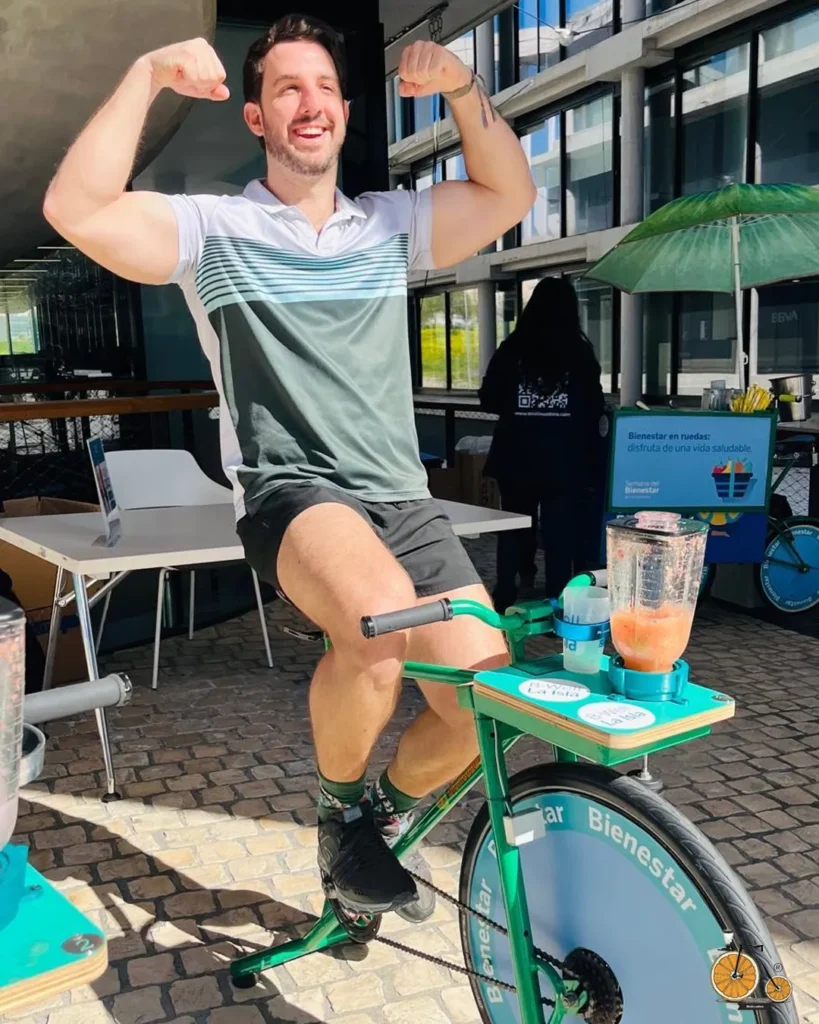
Children understand the world through their bodies. They touch, taste, move, and get messy. Pedaling to prepare food connects directly with this natural way of learning.
In the Bicycle Blender:
-
The exercise is not presented as a sport
-
Food is not presented as an obligation
-
It's all part of the same game
Without realizing it, they are getting physical activity and getting closer to real food.
Eat better without realizing it
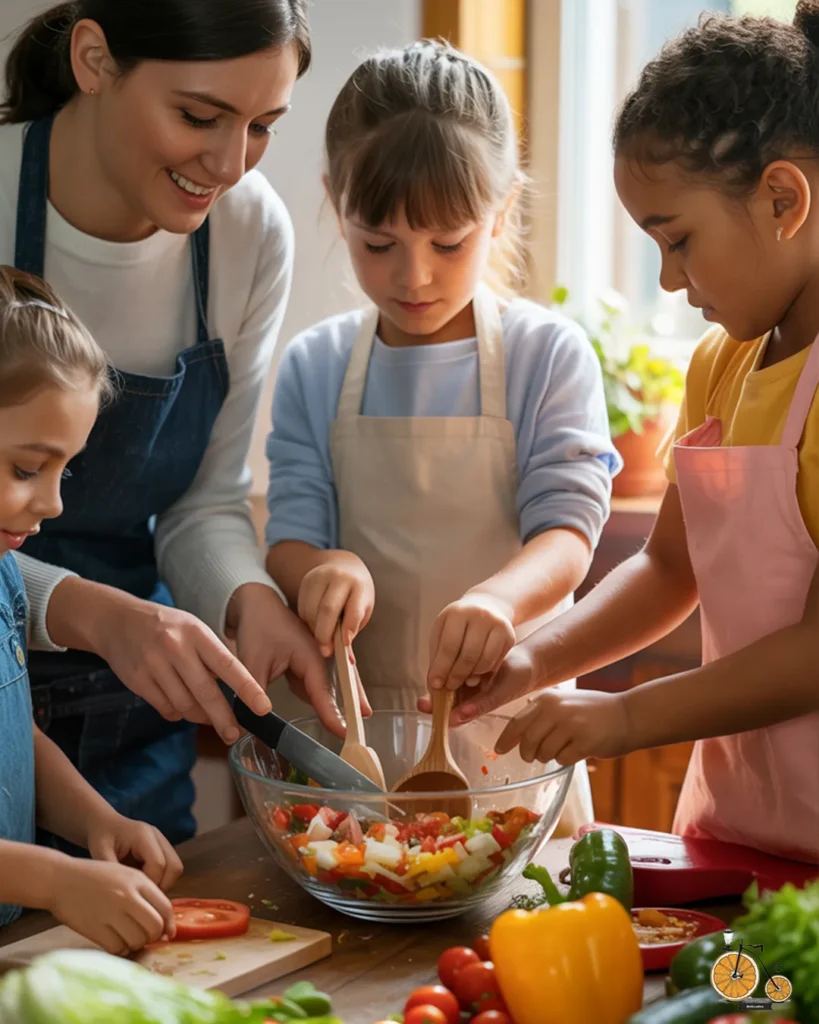
Many children reject fruits, vegetables, or legumes when presented as something they "have to eat." But when those same foods are part of an experience they have created, their perception changes.
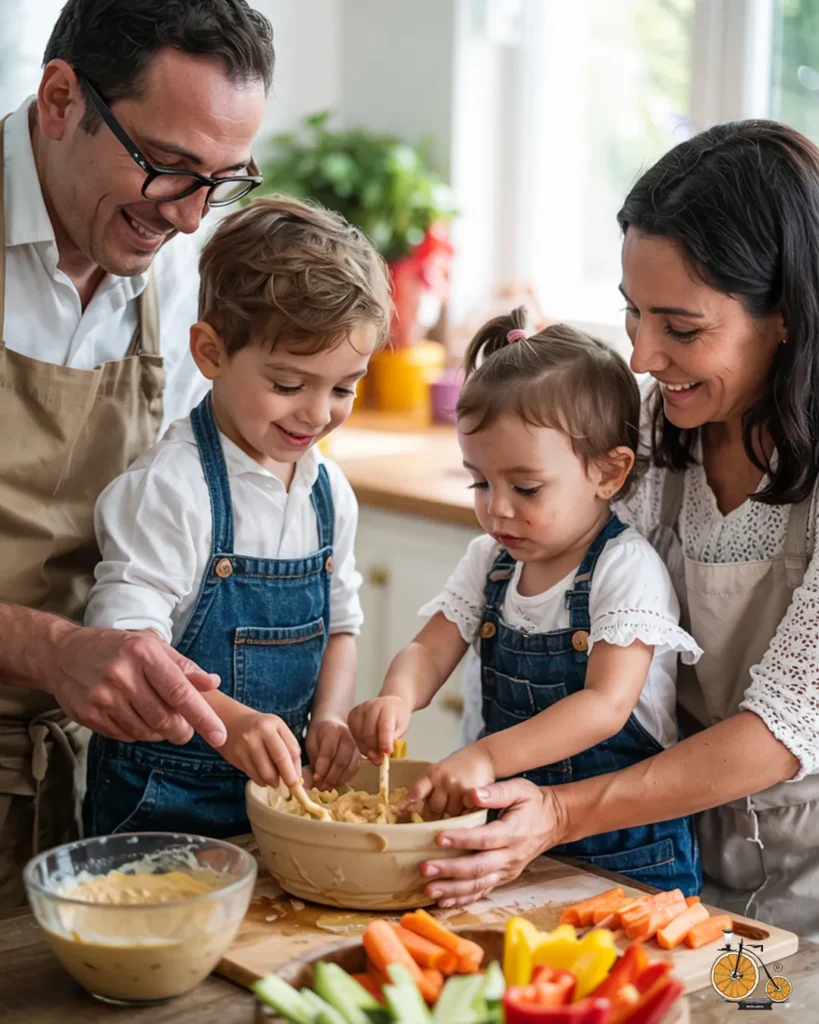
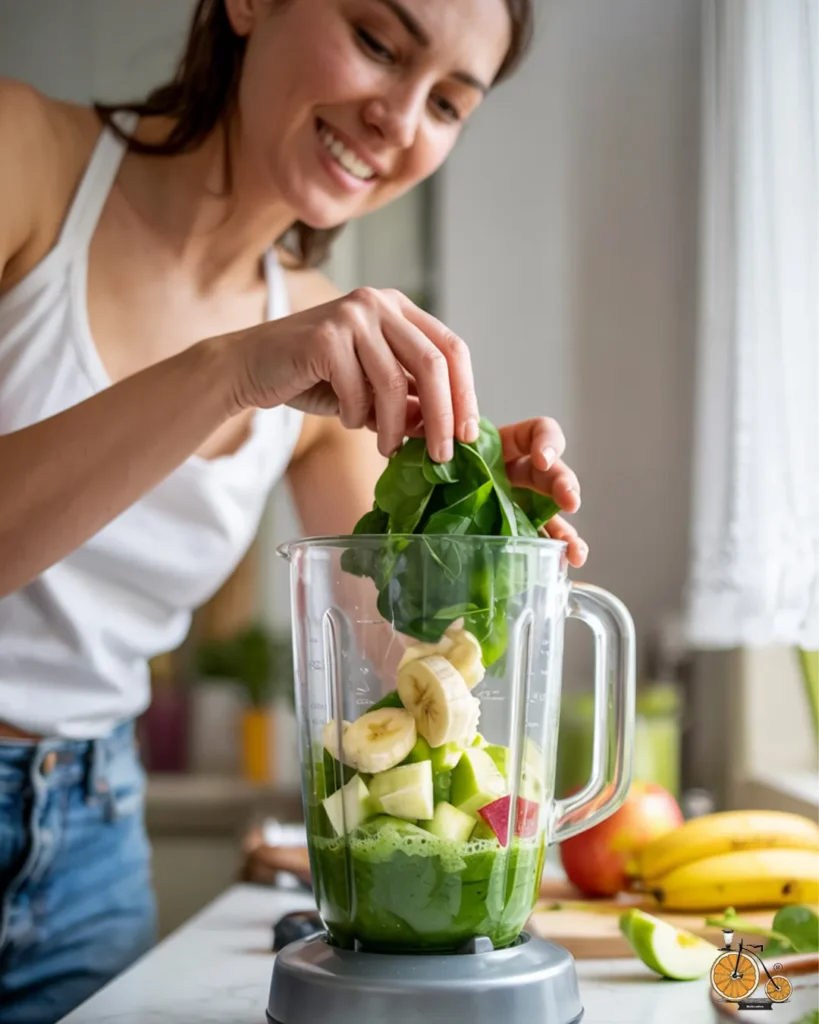
If they've cycled to make a smoothie or hummus:
-
they feel proud
-
they are curious
-
they want to try
Food ceases to be a source of conflict and becomes a shared reward.
Movement without pressure or competition
Children's sports aren't always about winning, training, or standing out. Sometimes it's enough to simply move for the joy of it.
The Bicycle Blender proposes a movement:
-
incomparable
-
without markings
-
with no results to measure
Each child pedals at their own pace, for as long as they want, and in whatever way they can. This fosters a healthier relationship with exercise, free from pressure.
Values that are conveyed without words
While pedaling and cooking, the children learn:
-
that energy is generated
-
that food doesn't appear on its own
-
that sharing is part of the process
-
that taking care of your body can be fun
It doesn't need explaining. They live it.
Sowing habits for the future
Experiences associated with positive emotions are the ones that leave a lasting impression. If a child connects movement and healthy food with something fun, those habits are more likely to stick.
Learning through play is not a minor strategy. It is, arguably, the most profound and lasting form of learning.
And sometimes, it all starts with a bike, some pedals, and a strong desire to try.